
As modern organizations accelerate digital transformation, the software ecosystem continues to grow in complexity. Applications today are built using thousands of open-source components, third-party integrations, cloud-native services, and automated CI/CD pipelines. While this interconnected environment fuels innovation and speed, it also introduces systemic risks across the software development lifecycle. As a result, Spark Matrix Software Supply Chain Security Management (SSCSM) has emerged as a mission-critical discipline for technology leaders, enterprises, and governments worldwide.
According to QKS Group’s latest Software Supply Chain Security Management market research, the global SSCSM landscape is expanding rapidly as enterprises prioritize security strategies that go far beyond traditional application protection. Organizations increasingly recognize that securing software requires full visibility and control across every component, dependency, and workflow involved in building and delivering applications. This has driven an industry-wide shift toward platforms that deliver holistic governance, integrity validation, continuous monitoring, and automated remediation across the entire supply chain.
Why Software Supply Chain Security Matters More Than Ever
Over the last few years, high-profile cyberattacks have exposed how fragile the modern software ecosystem can be. Compromised open-source components, tampered build systems, and vulnerable CI/CD pipelines have enabled attackers to infiltrate trusted environments—often without triggering traditional security alerts.
This growing threat landscape has redefined how enterprises view risk. SSCSM is no longer optional; it has become an essential part of business resilience. Key elements include:
Securing source code repositories to prevent unauthorized manipulation
Monitoring open-source dependencies for vulnerabilities, license issues, and integrity
Protecting build systems and CI/CD pipelines against tampering
Ensuring deployment integrity through signed artifacts and provenance data
Maintaining continuous visibility across all software components
Enforcing security policies automatically
Strengthening trust in internal and third-party software assets
QKS Group’s research defines SSCSM as a comprehensive, end-to-end approach that supports security from the first line of code to post-deployment operations. By integrating automated controls, policy enforcement, and real-time validation, SSCSM helps organizations reduce systemic risk while supporting faster innovation.
Market Growth Driven by New Threat Vectors and Regulatory Pressure
The SSCSM market is witnessing strong growth powered by multiple factors:
1. Increased Use of Open-Source Components
Modern applications rely on open-source libraries extensively. While this accelerates development, it also expands the attack surface. Organizations now demand solutions that can scan, track, update, and secure open-source dependencies at scale.
2. CI/CD Pipeline Vulnerabilities
Automated build systems, container registries, and orchestration tools introduce potential attack entry points. Security solutions that protect pipelines, enforce runtime policies, and ensure artifact integrity are becoming essential.
3. Rise of Software Attestation and SBOM Requirements
Governments and industries are mandating security standards such as Software Bills of Materials (SBOMs) and provenance data. SSCSM platforms play a key role in generating, validating, and managing these artifacts.
4. Growing Cloud-native Adoption
Organizations deploying microservices, containers, and serverless architectures require supply chain security solutions adapted to distributed, dynamic environments.
5. Enterprise Focus on Zero Trust Architecture
Zero Trust principles demand continuous verification of all software components—making SSCSM a central pillar in modern security frameworks.
Vendor Landscape: Increasing Innovation and Differentiation
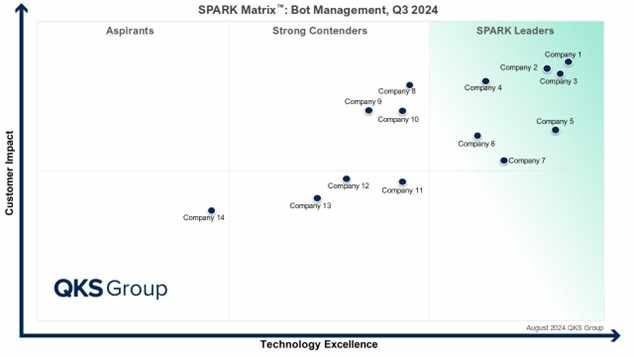
QKS Group’s latest SPARK Matrix analysis offers a detailed evaluation of the competitive landscape, assessing each vendor on technology excellence, product maturity, platform capabilities, and customer impact.
Prominent participants in the global Software Supply Chain Security Management market include:
Aqua Security
Black Duck
Checkmarx
Contrast Security
GitHub
GitLab
Harness
These vendors offer a broad spectrum of capabilities spanning SCA (Software Composition Analysis), code scanning, CI/CD security, artifact integrity validation, runtime security, and end-to-end supply chain governance. The SSCSM market continues to evolve as vendors integrate AI-driven analytics, expand SBOM automation, and offer deeper integrations into developer workflows.
Technology Trends Shaping the Future of SSCSM
QKS Group’s research highlights several technology trends that will define the next phase of innovation in software supply chain security:
1. AI-Powered Threat Detection
AI and ML capabilities are increasingly being integrated to predict risks, detect anomalies in build processes, and automate remediation.
2. Secure by Design Development Models
Enterprises are implementing security controls earlier in the development lifecycle, embedding SSCSM within DevSecOps practices.
3. Advanced Artifact Provenance and Integrity Validation
Technologies like cryptographic signing, attestations, and in-toto frameworks are becoming standard in modern build pipelines.
4. Greater Focus on Automation
Automation is essential for managing complex supply chains. Vendors are enhancing capabilities for automated policy enforcement, compliance reporting, and vulnerability remediation.
5. Collaboration Across Ecosystems
Industry-wide collaboration—including open-source foundations, government bodies, and cloud service providers—is helping define universal standards for supply chain security.
The Road Ahead: Building Trust in Every Line of Code
As digital ecosystems become more interconnected, the importance of securing the software supply chain cannot be overstated. SSCSM empowers organizations to gain complete control and visibility, reduce risk, boost resilience, and build trust across their development environments.
With increasing regulatory requirements, cloud-native adoption, and evolving threat landscapes, the demand for robust SSCSM platforms will continue to surge. QKS Group’s research underscores that organizations investing in proactive, end-to-end supply chain security are better positioned to innovate confidently and maintain a competitive edge in the digital future.
#SoftwareSupplyChainSecurity #CybersecurityTrends #DevSecOps #SupplyChainIntegrity #QKSGroup







Write a comment ...